Showing posts with label Dementia. Show all posts

Friday, February 6, 2026

ALCOHOL, DEMENTIA AND ALZHEIMER'S DISEASE

Alcohol, even in small amounts, destroys brain cells.  While a healthy person can withstand this brain cell loss while drinking moderately, an Alzheimer's - or any patient with dementia - patients must not drink alcohol even in small amounts.  Not only will drinking alcohol cause a more rapid progression of the disease, but it can also interact with the antidepressants and other medications the patient is probably taking.  Do yourself and your relatives or friends who suffer from dementia and/or Alzheimer's a favor by keeping them away from all alcohol.

file photo for reference


   

Sunday, April 21, 2024

VITAMIN B12 DEFICIENCY IN OLDER ADULTS


Studies have shown that half of all older adults are deficient in vitamin B12. If you follow my blogs, you probably know I have had several colon surgeries and have lost part of my colon thus I am susceptible to this deficiency. My late husband suffered from depression and dementia. We both took vitamin B12. My husband was on pills prescribed by his doctors for several years now and his dementia stabilized. I have had to take shots at various times over the years, My status is checked every few months and I have been off shots for a while not. So you can see why I am bringing this to the attention of older adults. Did you know that vitamin B12 only comes from meat, poultry, and seafood? That is a lot of my problem, I'm sure, could it be yours? If you feel tired, have trouble sleeping, walk around 'in a fog', etc, ask your doctor to check your vitamin B12 levels. Here are what some of the experts have to say on the subject:

  • "Being even mildly deficient in vitamin B12 may put older adults at a greater risk for accelerated cognitive decline."[6] - Tufts Nutrition News, 2013
  • "B12 deficiency is common, with troubling symptoms...that are similar to many other problems related to growing older."[8] -The Mayo Clinic Health Letter, September 2013
  • B12 deficiency can be sneaky, harmful and is relatively common, especially among older people."[9] -The Harvard Medical School's health blog January 10th, 2013
  • "B12 is the most important nutrient you aren't thinking about...B12 deficiency can mimic all of the effects of aging."[7] - Dr. David Katz of the Yale University Prevention Research Center in 2012

Friday, April 28, 2023

ADD COCONUT OIL TO YOUR DIET


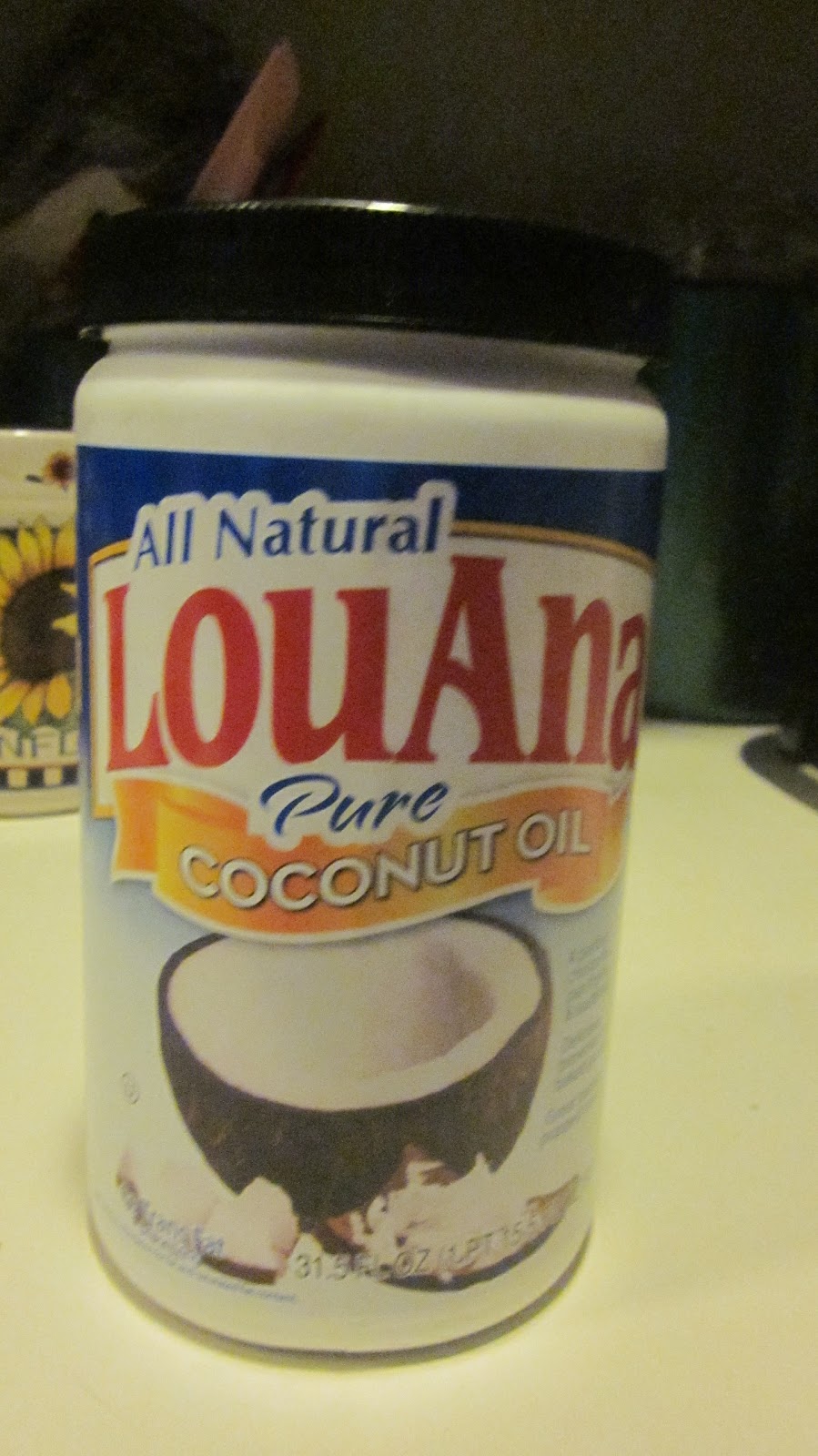
In spite of what you may have heard over the years about coconut oil and cholesterol, you need coconut oil in your diet!  Several years ago the scientific and medical worlds went crazy with all kinds of cholesterol warnings and unfortunately coconut was lumped into the "bad for you" category.  Once the research really got into the heart of the matter and discovered there were two types of cholesterol, LDL and HDL, they kind of left it there without going public to correct some of the products they had falsely smeared.  Ladies and gentlemen, coconut contains the HDL or good for you cholesterol!  If you do not have coconut oil as a part of your diet, add it.  Coconut oil is a natural antibiotic that can help defend your body against viruses.  Coconut oil is also very effective in the brain in helping to prevent and/or help the symptoms of Alzheimer's, dementia, Parkinson's disease, ALS, etc.


Two important things to remember:

  1. Alzheimer's and other similar diseases start in the brain up to 20 years before symptoms are shown.  Add coconut oil to your diet now.
  2. Use only PURE Coconut oil!  If you do not use pure coconut oil, you will be getting "hydrogenated" products in your coconut oil.  Hydrogenated simply means "trans fat" which is  not good for you.  Pure coconut oil may be more expensive but it is worth it!
This is the coconut oil I use.  Buy any brand that suits you as long as it is "Pure."

Monday, November 28, 2022

BENEFITS OF COLORFUL FRUITS & VEGETABLES PART III

This is the third and last post regarding the benefits of adding colorful fruits and vegetables to your diet.  Again, remember this is only a partial list of colorful fruits and veggies and some of the unexpected benefits you can get from them.

  • PURPLE - Beets get their color from betalain which helps to flush toxins from the body.  No need for harsh "cleansing" routines, just add a serving of beets to your diet every week.
  • Purple cabbage (often referred to as red cabbage) has 6 times the vitamin C and more antioxidants per 100 grams that does green cabbage.
  • BLUE - Blueberries are often referred to as the ultimate brain food since they defend against dementia and Alzheimer's.  Studies have also shown that persons who eat 2 cups of blueberries per week have a 25% less likely chance of developing Parkinson's disease.
  • WHITE - Yes, there are white foods other than processed bread and pasta!  Garlic is known for its sulfur compounds that convert to a gas that lowers blood pressure.  Garlic also reduces the risk of blood clots by stopping platelets from becoming too sticky!
  • Cauliflower which contains both vitamin K and omega-3s is known to defend against chronic inflammation and to lower one's risk of both cancer and heart disease when eaten on a regular basis.
  • BLACK - Blackberries contain salicylate, a natural pain reliever.  They also soothe stomach cramps and ward off atherosclerosis.
  • Raisins and other foods containing the mineral boron may provide some of the same benefits as estrogen therapy for women in menopause.
I'll just imagine you have found a few benefits in some fruits and vegetables that you had never known existed or had even considered.  Amazing how God created foods to take care of our bodies when used correctly!
file photo

Saturday, November 5, 2022

CHILI PEPPERS FOR THE BRAIN/MOOD

 Chili Peppers are good for the brain and for your mood!  You probably never thought of them that way, did you?  I know I didn't.  I love hot foods, so I eat a lot of foods with peppers.  I have always known they were good for helping me fight the inflammation my body has a problem with.  But I had never thought of them as helping my mood until I started doing some research on foods and their relationships to the brain, dementia, and mood.  (Yes, my late husband suffered from those illnesses; thus, my research.)  

You may know chili peppers contain a fat-soluble molecule called capsaicin.  I knew this was the molecule that helps with my pain and inflammation but until recently I never knew how much this affects our moods.  The brain is loaded with receptors for capsaicin, and we respond by releasing endorphins, natural compounds that have a calming effect on us!  If you don't like the heat of peppers, introduce them into your diet gradually in some casseroles, Tex-Mex foods, etc.

Saturday, October 29, 2022

COFFEE IS A BRAIN FOOD

Or should we say coffee is a happiness beverage?  However you look at it, coffee with caffeine causes an increase in dopamine, which is how it boosts confidence, focus, and mood.  No wonder some of us are unbearable until we get our morning shot of coffee!  And did you know that 1 cup of coffee has more antioxidants than a glass of grape juice or one serving of spinach?  Coffee also has 2 phytonutrients - norharman and harman - which function like a class of antidepressants called monoamine oxidase inhibitors.  A few cups a day of coffee and people have a decreased risk of brain disorders such as depression and dementia.  Coffee has been shown to boost mental ability, focus, and mood.  So go ahead and enjoy a couple of cups (unless your doctor has told you otherwise!) but be wary of adding sugar and cream!  Learn to enjoy your coffee black!

Sunday, October 9, 2022

SILENT STROKES

A study published in the journal Neurology found that a quarter of older adults may suffer from so-called silent strokes, small areas of damaged brain cells that may contribute to memory loss, a symptom of Alzheimer's and dementia.  This information shows how important it is that we take measures to prevent strokes therefore keeping our brains healthy and hopefully ward off memory problems as we age.


This study consisted of 658 men and women all age 65 or older.  None of the subjects had been diagnosed with dementia or serious memory problems.  174 of these men and women showed evidence of silent strokes.  Silent strokes do not cause any obvious symptoms.

To take care of your brain and hopefully lower the risk of stroke, work on the following steps:
  • If you are a smoker, stop!  If you don't smoke, don't start!  Smokers definitely have an increased risk of stroke and Alzheimer's.
  • Get regular exercise and do your best to maintain a healthy weight.
  • Keep your blood pressure under control.  This is where diet comes in.  Avoid or reduce the amount of salt in your diet and follow any instructions from your doctor if you currently have high blood pressure.
  • Lower your cholesterol levels.  High levels of bad (LDL) cholesterol are associated with stroke risk.  Again, your diet is key here.  Follow doctor's orders and make necessary dietary changes!
It is your life.  You are responsible for your own diet and exercise!!

clipart


Thursday, July 28, 2022

INFLAMMATION - SYSTEMIC (CHRONIC)

Systemic inflammation can wreak havoc in any part of your body.  Dr. Floyd Chilton of Wake Forest Baptist Health School of Medicine in North Carolina says, and I quote here, "If the haywire inflammatory process happens in the heart, you wind up with heart disease; if it happens in the joints, it's arthritis; in the brain, it might be dementia."  Widespread inflammation can be a symptom of lupus, an autoimmune, chronic inflammatory condition.  It is also widely believed by the medical community that chronic inflammation plays a significant role (either as a cause or effect) in many diseases such as type 2 diabetes, arthritis, Chron's disease, heart disease, cancer, and stroke.  The last three are America's top 3 killers.

It is recommended that we drink green tea daily.  Green tea is full of potent antioxidants that help stop inflammation.  If you suffer from arthritis, as an example, would you believe something as simple as a few cups of green tea daily could help you battle the disease?  That is a fairly inexpensive and simple medicine!
File Photo

Thursday, October 10, 2019

SUPPLEMENTS

As you can see below, this is an old article I am reposting. The importance of this article has recently had a bright light shined on it in my world. My 72-year-old husband kept falling because his legs would just fold up under him. About a week and a half ago he fell three times in one day. My son and grandson had to carry him to his bed because his legs were too weak to hold him up even with their help. He ended up getting an ambulance ride to the hospital where he stayed for 5 days and was then released to rehab for therapy. Tests showed him to be very low in sodium, potassium, and his adrenal gland function was low. He is a COPD patient and didn't like to eat because it was hard to eat and breathe at the same time. He had been relying on Ensure Plus, a good supplement but not a complete diet for the average person. His leg muscles had almost atrophied from lack of use. He was walking very little because of the falls. Long story short, with three good meals a day and extensive therapy he is now walking with a walker and/or a cane. We are made to take care of our bodies with food. It is important to eat a balanced diet (avoid fad diets, they always leave out something your body needs) and get some exercise if you want your body to function as God intended.

Thursday, September 20, 2012


Some supplements, vitamins, etc may be needed to keep your body operating efficiently.  However, I do not recommend taking such products without discussing it with your doctor.  While the proper supplements, vitamins, minerals, etc can be very helpful, sometimes they can be harmful or simply a waste of money.  It is best to get what your body needs from food whenever possible.


I qualify that statement by saying I was on supplements for years and my doctors were aware of it and told me to take them.  Thus back to my point; I am not saying don't take them, I am saying discuss it with your doctor first.  If your doctor is one who won't even discuss such matters, perhaps you need a new doctor!

An example of harmful effects is zinc.  While zinc may be very helpful in some situations, it may actually hasten the onset of Alzheimer's symptoms.  I am not talking about taking a zinc tablet occasionally but researchers think that a buildup of zinc may cause those prone to Alzheimer's or in the early stages of the disease, to have their symptoms brought on more quickly.  Laboratory experiments have shown that zinc can transform the protein in brain cells into abnormal tangles indistinguishable from those of Alzheimer's.  Other studies have also shown that large-dose zinc supplements may bring on the progression of memory loss and other signs of the disease.

Again, based on my own experience, I no longer take supplements.  Because of having so much of my colon removed, I don't absorb them.  When I am low on a vitamin, mineral, etc, I have to have a shot.  So no matter how many high-powered supplement tablets I would take, I wouldn't absorb them enough to benefit.  So it would be a waste of money.

The supplement business in America today is big business.  Don't be fooled, discuss the situation with your doctor and go by what he/she recommends. And remember this, those who are trying to sell you supplements are usually making money off what you purchase.

file photo