Showing posts with label Beta-carotene. Show all posts

Sunday, February 8, 2026

MORE HEALTH BENEFITS OF GRAPEFRUIT

I love grapefruit, even though I can't enjoy them like I used to, as they counteract one of my medications.

There are several posts on this blog about grapefruit, if you are interested in knowing more. We know they contain 100% of our daily need of vitamin C which boosts our immune systems and helps fight off those nasty colds. But how about this? Did you know grapefruit can help sharpen focus because it is rich in beta-carotene, which promotes eye health and protects against inflammation?

Gut problems? Did you know grapefruit is a good source of fiber which helps you feel full longer? It also stimulates healthy gut bacteria.

Is it time for you to enjoy some grapefruit?


file photo


Thursday, November 6, 2025

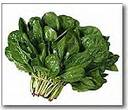
EASY WAYS TO GET MORE SPINACH INTO YOUR DIET

We all know spinach is good for us but many of us don't like to eat it.  Personally, I love spinach and could eat it every day.  I know that is not the norm.  Whether you like spinach or not, it is important to include it in your diet.  The American Heart Association recommends spinach (and other green leafy vegetables) as part of a heart-healthy diet as they provide good sources of vitamins A and C.  Spinach also a good source of iron, as was noted in a previous post on healthy foods for anemics.  Spinach also contains flavonoids and beta-carotene both of which are important to maintaining good health and preventing disease!  If you don't want to eat a spinach salad or a whole serving of cooked spinach, here are some easy ways to work spinach into your diet.  Whatever method you choose to use, just be sure to include spinach into your diet on a regular basis.  Try to include it at least once a week, starting out slowly if necessary.  Try these little tips:

  • Use supermarket bagged spinach to save time if you don't like the rinsing, drying, stemming, etc required in bunches of fresh spinach.
  • Coarse chop and toss into scrambled eggs and/or omelets.
  • Sauté with garlic until just wilted and toss into tarts, casseroles, etc.
  • Add chopped spinach leaves to rice and/or pasta dishes.
  • Toss a handful of fresh spinach leaves into soups right at the end of the cooking time.  Chop up if you don't want to get a whole leaf in your spoonful of soup!
  • Coarsely chop, toss in a little olive oil and put on pizza.
  • Use fresh baby spinach leaves in smoothies.
  • Chop and toss with onion and garlic.  Add to browned sausage and or ground beef or turkey and use as a filling in little handheld personal pies.  You could even use refrigerated pie crust or pizza dough without having to make your own.
file photo

Thursday, September 25, 2025

SHREDDED CARROTS (WITH A SALAD RECIPE)

Many nutritionists and experts on nutrition and health suggest grating carrots.  They say that when carrots are grated or shredded our bodies are able to get the most therapeutic benefits.  Grating or shredding the carrots breaks down cell walls which enables the body to absorb more beta-carotene.  Beta-carotene is the compound in carrots that is believed to help protect against cancer and some of the effects of aging.

Here is a recipe for a tasty grated carrot salad.
3 cups grated carrots
1 cup canned, crushed pineapple in its own juice (no added sugar)
1 tsp lemon juice
1/4 cup chopped walnuts (a very healthy nut)

Mix the ingredients together in a bowl.  No dressing needed as the pineapple juice works as a dressing.  Let your imagination go wild with the combinations you can come up with.

File Photo

Monday, August 4, 2025

ZUCCHINI

Zucchini is a tasty, healthy, versatile food.  It has been around forever, cultivated by the Native Americans before the New World was ever discovered.  It was a favorite of the likes of George Washington and Thomas Jefferson who both grew it in their gardens.  It is inexpensive to grow with a single plant often producing a bushel basket of zucchini.

Zucchinis are approximately 94% water which is why they are so low in calories.  One cup of raw sliced zucchini has less than 20 calories, 20% of the adult recommendation of daily vitamin C needs, and 250 mg potassium.  It also has beta carotene which the body converts to vitamin A but this is lost if you peel the zucchini.  Zucchini is also a good source of folate.

Whether you sauté it, use it in a casserole, bake it in breads and muffins, etc, just be sure to include it in your diet.


Tuesday, May 27, 2025

THE COLOR OF BROCCOLI

Broccoli is probably one of the best foods we can eat. Eating it fresh or just steamed allows you to the most of its vital nutrients. When shopping for fresh broccoli, you will notice the color can range from almost purple to yellowish. When buying broccoli, the darker the better. The broccoli that is almost purple in color is packing a whopping lode of beta carotene, the nutrient proven to cut the risk of cancer and heart disease. Remember to go for the darkest green and to forget the ones turning yellow. Those turning yellow have lost most of their nutritional value.

file photo


Thursday, March 13, 2025

#14 HEALTHIEST FRUITS - APRICOTS

Continuing on the list of healthiest fruits, we are now at number fourteen. Apricots, a fruit I have never enjoyed raw but love in jams, etc., is number 14. That's all I have to say about them so we will go to the quote from the health journal.

"Apricots may be small, but they are mighty. Loaded with important nutrients (vitamin C, vitamin A, potassium), they are also an excellent source of beta-carotene, a carotenoid that possesses antioxidant and anti-inflammatory benefits. Research reveals that high blood levels of beta-carotene may confer some protection against health conditions such as colorectal cancer."

file photo


Saturday, April 13, 2024

INTERESTING FACTS ABOUT PEPPER

I was surprised when I ran across this information about pepper. I like pepper and have always used it liberally and I guess that is a good thing. Perhaps it is why I am a 35+-year breast cancer survivor and have also survived colon cancer, who knows? Here are a couple of the surprising things I discovered about black pepper:

  • Black pepper is a digestion aid. Black pepper stimulates the taste buds to signal the stomach to produce hydrocholoric acid. Hydrocholoric acid aids in digestion.
  • Black pepper is antibacterial. No explanation needed there, we all know what antibacterial means.
  • The outer layer of peppercorns contains piperine. Piperine is an alkoloid that increases the body's ability to assimilate cancer-fighting nutrients including beta-carotene, curcumin, and selenium. The National Cancer Institute says piperine also may have anti-inflammatory and anti-tumor properties.

Thursday, February 8, 2024

IS "LITE" SALAD DRESSING HEALTHIER THAN REGULAR?

Basically, the answer is no. Would you believe your body needs the fat in the regular dressing to help it absorb some of the nutrients in the salad veggies. The fat helps the body absorb some important nutrients such as lycopene, lutein, beta carotene. Using the regular dressing can help you double the nutrients your body absorbs. Just keep an eye on the amount of calories you are getting. This information is from the American Journal of Clinical Nutrition.

Sunday, December 17, 2023

DON'T SKIP THE CARROTS

Carrots are an important vegetable that should be a part of your diet. Carrots are high in the antioxidant beta-carotene which helps support the immune system. If you don't currently have carrots as a part of your diet, you should start including them. Diabetics be aware that cooking carrots raises their sugar content so eat them raw more often than cooked.

Wednesday, August 16, 2023

CONSIDER BROCCOLI AS A PHARMACEUTICAL

Don't like broccoli?  Scientists and researchers tell us that broccoli is one of the most amazing pharmaceuticals in nature.  Consider the following:

If broccoli were a pharmaceutical the label would read as follows: High concentrations of beta-carotene (a suspected lung cancer antagonist!); contains carotenoids (general anticancer agents); quercetin (antioxidvitoles (anticancer and detoxification compounds); vitamin C (powerful antioxidant); folate (anticancer agent); chromium (antidiabetic and anti-heart-disease medication); readily absorbable calcium (helps prevent osteoporosis, suspected anticancer and high blood pressure medication); calcium pectate fiber (lowers blood cholesterol). Broccoli is also a member of the cruciferous family of vegetables, closely tied to lower rates of cancer, notably colon cancer.  Side effects? None known.

If your doctor told you he/she had a pill that could do all that you would probably tell him/her to write you a prescription.  Instead, you can just make sure you are including this tasty vegetable in your diet!

Sunday, January 8, 2023

VITAMINS IN PEPPERS

Scientist and nutrionists have found that all peppers, whether the hot ones or the sweet ones, contain good levels of vitamin C and beta-carotene which is related to vitamin A.  That is good news since these are known as "healing" vitamins!  But the levels of vitamins in these peppers do vary.  Keep the following tidbits in mind regarding peppers:

  1. Peppers allowed to mature from green to red have twice as much vitamin C as when they were green, ie - red sweet bell peppers have 11 times the amount of beta carotene of green bell peppers.  Hot red peppers have even more beta carotene than sweet peppers or hot green peppers. Red Peppers are at the top of the list of vitamin C foods.
  2. Peppers are so easy to add to your diet.  In addition to just eating them raw, they make perfect additions to soups, salads, dips, sandwiches, etc.  There is an unbelievable health benefit just in the addition of a few peppers added to your foods.


Friday, December 30, 2022

APPLES

Did you know that more than 2500 varieties of apples are grown in the United States?  Some of the most popular ones are red delicious, golden delicious, gala, Granny Smith, and Rome.  No matter which variety you choose, apples are a good-for-you food.  However, if you think eating an apple a day will take care of your vitamin C needs as many people do, think again.  The average apple provides only around 8 mg of vitamin C; that is only 13% of the daily recommended allowance.  In addition to the vitamin C, apples are a good source of fiber, and the skins contain small amounts of beta-carotene, and the meat of the apple also contains some amounts of potassium and iron.

Apples are good fruits for diabetics.  The naturally occurring sugar in apples is Fructose which absorbs into the blood stream slower than sucrose otherwise known as simple table sugar.

Biting and chewing on an apple (an active calorie food, by the way!) stimulates the gums and prompts an increased flow of saliva which helps to reduce tooth decay by lowering levels of bacteria in the mouth.

Best to eat your apples fresh rather than dried.  It takes about 5 lbs of apples to produce 1 lb dried which contain about 70 calories per ounce.  When apples are dried, most of their nutrients are lost with the exception of fiber and a small amount of iron.
file photo

Friday, December 16, 2022

APRICOTS ARE HEALTHY - BOTH FRESH AND DRIED

Apricots are rich sources of beta carotene, iron, and potassium.  They are high in fiber and yeah - low in calories and basically fat-free!  Yes, three fresh apricots have only about 50 calories and 10 dried apricot halves only have about 85 calories.

Fresh apricots are rich in vitamin C, however, when canned or dried apricots lose much of their vitamin C.  Still ounce for ounce, dried apricots are more nutritious than the fresh or canned ones.  That is because dried apricots are less than 1/3 water while the fresh apricots are 85% water.  (Remember this when you need hydration.  See article on this blog regarding "Eating Water.")

Apricots are great for desserts and for snacking.  Dried apricots and/or apricot leather are nutritious, fat-free snack foods.

Note: Apricots do contain natural salicylate which is a major ingredient in aspirin.  If you have an allergy to aspirin, be cautious about apricots.

Wednesday, November 23, 2022

EAT YOUR VEGGIES RAW OR COOKED?

One of the questions that often comes up is whether or not one should eat their vegetables cooked or raw to receive the most nutritional value.  Below is a list of the most often questioned vegetables and information to help you decide.  Personally I say have them both ways throughout the week, you will see why below.

  • Tomatoes: You receive health benefits from tomatoes no matter how you eat them.  They are one of the vegetables, however, that should be eaten cooked on a regular basis.  When tomatoes are cooked (think sauces) they give one a higher dose of their cancer-fighting lycopene.
  • Zucchini: Along with other squashes, zucchini gives one more beta-carotene (a building block for vitamin A) when cooked.
  • Spinach: Spinach is somewhat unique in that it has more vitamin C and folate when left raw.  It has more calcium and zinc when cooked.
  • Bell Peppers: More vitamin B when consumed raw.
  • Garlic: Garlic's health-protecting antimicrobial is lowered by cooking.
In a well-rounded diet, it is important to eat vegetables everyday both cooked and uncooked.
file photo

Sunday, November 20, 2022

BETA-CAROTENE And VITAMIN A

Did you know the body converts beta-carotene to vitamin A? If your body is low in vitamin A, eat more foods with beta-carotene!

Wednesday, May 11, 2022

HOW YOU EAT YOUR CARROTS DOES MATTER

Carrots are interesting vegetables.  Are you aware the sugar content in carrots rises dramatically when they are cooked?  Also, rather interesting is how you need to eat carrots to get the most beta-carotene from them.  James Olsen (Iowa State University), a leading expert on carotenoids is quoted as saying, "If you actually nibble on a raw carrot Bugs Bunny style, you absorb very little of the carotene--about 5 percent."  He goes on to say cooking the carrots makes 25 to 30 percent of the beta-carotene available, and pureeing cooked carrots allows your body to absorb about 50 percent.

 This is a file photo.